Find round analog digital sports stopwatch for training, racing, and timing
Explore 30 round analog digital sports stopwatch options to compare features like battery power, display lines, and lap functions. This guide helps buyers evaluate specifications and pricing for household, outdoor, and commercial applications.
Key considerations
Products List
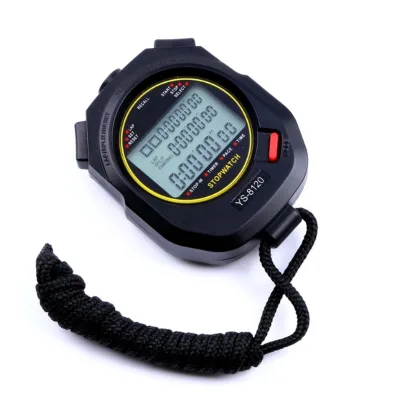
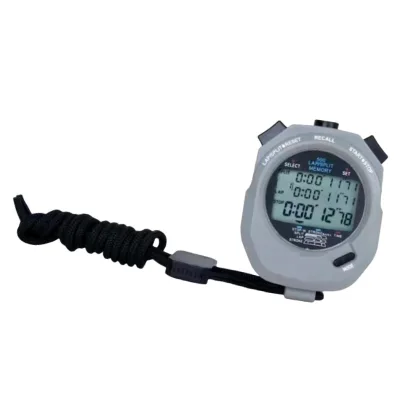
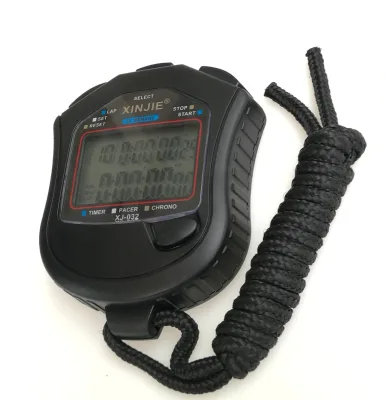
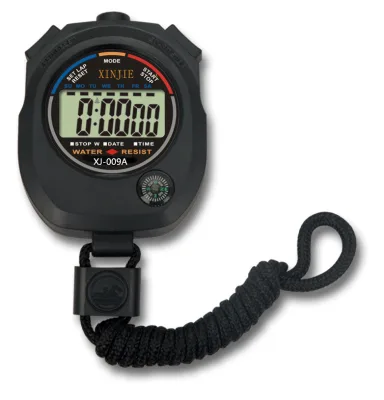
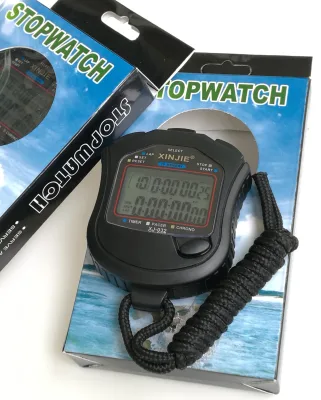
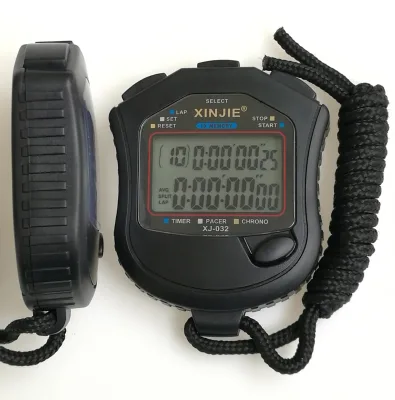
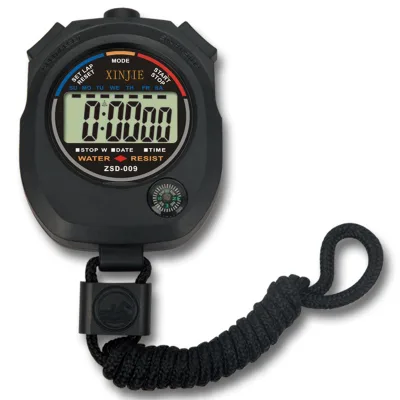
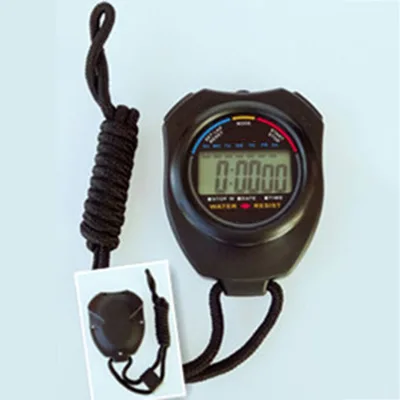


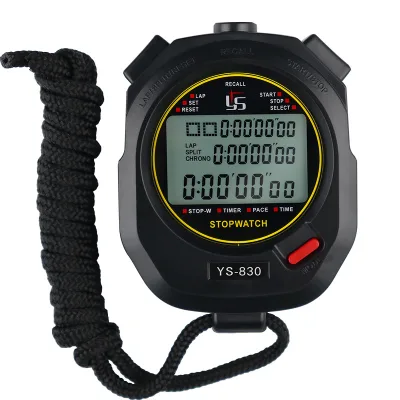
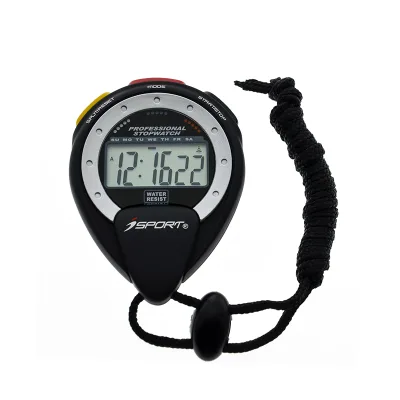
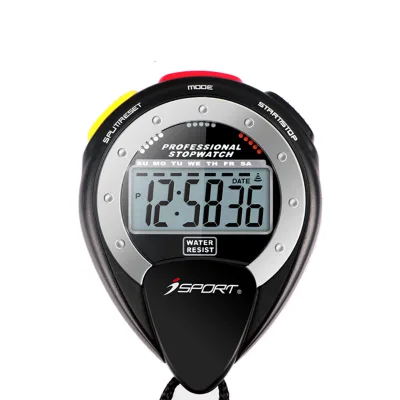
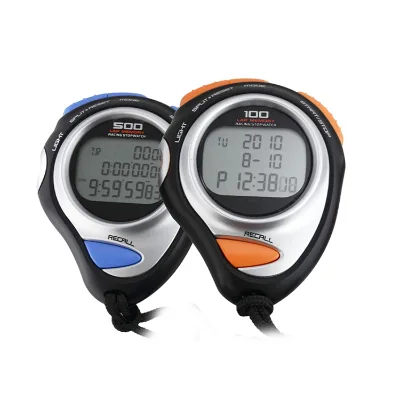


Comprehensive Sourcing Guide
Round Analog Digital Sports Stopwatch Sourcing Guide
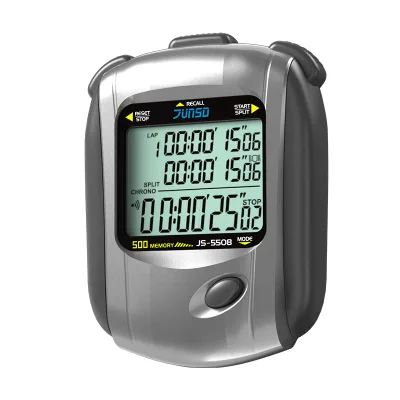
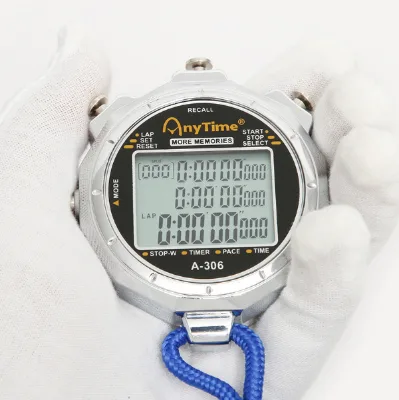
Procuring round analog digital sports stopwatches requires a precise alignment between the physical form factor and the electronic functionality, as this hybrid category serves distinct user needs compared to purely digital or purely analog timepieces. Buyers must recognize that the "round" descriptor typically refers to the casing shape, which often houses a digital LCD screen rather than traditional analog hands, although some models may feature a hybrid display. This structural choice impacts the internal layout, battery placement, and button ergonomics, all of which are critical for durability in sports and outdoor environments. Understanding the specific configuration of the device is the first step in ensuring that the product meets the functional requirements of the target market, whether for professional athletes, casual users, or commercial applications.
The sourcing process for these devices involves navigating a market with significant variation in component quality and feature sets, as evidenced by the diverse model numbers and specifications observed in current listings. Suppliers often offer customizable options, including branding and specific functional configurations, which means the final product can differ substantially from a standard off-the-shelf unit. Buyers should approach this category with a clear definition of the required features, such as the number of laps, display lines, and specific functions like compass or date display, to avoid receiving a product that does not match the intended use case. This initial clarity prevents costly rework and ensures that the procurement strategy is focused on the specific technical and commercial needs of the end-user.
Product Scope and Observed Listing Signals
The observed product listings indicate a range of applications that extend beyond simple timekeeping, including household, outdoor, commercial, and garage use. This breadth suggests that the core product is a multi-functional electronic device rather than a specialized sports tool, which influences the design priorities for durability and user interface. For instance, the inclusion of functions such as time and date display, record time, and even compass capabilities points to a device designed for versatility. Buyers must evaluate whether these additional features are necessary for their specific market segment or if they represent unnecessary complexity that could increase the unit cost and potential failure points.
Material and construction details provide further insight into the product's intended lifespan and robustness. The listings specify materials such as plastic and ABS for the frame, with cover colors typically in black, which is a standard choice for durability and aesthetic neutrality. The size specifications, such as 8.572.7 CM or 8.26.42.3 CM, indicate a compact form factor suitable for wrist or pocket carry, while the gross weights of approximately 0.051 kg to 0.090 kg suggest a lightweight design. These physical attributes are critical for user comfort and portability, and buyers should verify that the dimensions and weight align with the ergonomic expectations of their target audience, particularly if the device is intended for active use in sports or outdoor settings.
Technical Specifications to Verify
The power source for these stopwatches is consistently identified as battery-operated, with power ratings observed at 1 and 10, likely referring to battery type or capacity metrics. Buyers must clarify the specific battery type, such as CR2032 or similar coin cells, and the expected battery life under normal usage conditions. This information is crucial for estimating the total cost of ownership and ensuring that the device does not require frequent battery replacements, which could be inconvenient for users in remote or outdoor environments. Additionally, the control mechanism is described as mechanical, which implies physical buttons rather than touch-sensitive interfaces, a feature that enhances reliability in wet or gloved conditions.
Display specifications are a key differentiator in this category, with listings indicating a 1-line display and varying lap counts, such as 10 laps or 2 laps. The number of laps directly impacts the device's utility for sports timing, where recording multiple intervals is essential. Buyers should verify the resolution and readability of the LCD screen, particularly in bright outdoor conditions, as this is a common pain point for digital timepieces. Furthermore, the presence of a waterproof standard is noted as both "Yes" and "No" in different listings, indicating that water resistance is not a universal feature. Procurement teams must explicitly define the required IP rating or water resistance level to ensure the product meets the safety and durability expectations of the end-user.
Compliance and Safety Documentation
While the supplied facts do not list specific international certifications, the origin of the products is primarily from Zhejiang, China, which is a major hub for electronic manufacturing. Buyers should request documentation confirming compliance with relevant regional safety and electromagnetic compatibility standards, such as CE or FCC, depending on the target market. These certifications ensure that the electronic components do not emit harmful levels of radiation and that the device meets basic safety requirements for consumer electronics. The absence of explicit certification data in the initial listings necessitates a proactive approach to requesting test reports and compliance certificates from the supplier before finalizing any purchase order.
The material composition, specifically the use of ABS plastic, must also be verified for compliance with environmental and safety regulations. Buyers should inquire about the presence of restricted substances, such as lead or mercury, in the plastic casing and electronic components, particularly if the product is intended for markets with strict environmental laws like the EU's RoHS directive. Additionally, the battery compartment design should be checked for safety features that prevent accidental ingestion by children, as the device is marketed for household and unisex use. Ensuring that the product meets these safety standards is not only a legal requirement but also a critical factor in maintaining brand reputation and avoiding potential liability issues.
Cost Drivers and Commercial Terms
The observed price range of $0.8 to $29.99 USD reflects the significant variation in feature sets, build quality, and brand positioning within this category. Lower-priced units likely feature basic functionality and simpler materials, while higher-priced options may include advanced features such as compass capabilities, higher lap counts, or enhanced waterproofing. Buyers should analyze the cost breakdown to understand which features contribute to the price differential and determine which are essential for their target market. This analysis helps in negotiating better terms by focusing on the specific value propositions that justify the cost, rather than accepting a blanket price increase for unnecessary features.
Minimum Order Quantity (MOQ) ranges from 1 to 3000 units, indicating that suppliers offer both small-batch and large-scale production options. For buyers with limited initial demand, the low MOQ allows for testing the market with minimal financial risk, while larger orders can leverage economies of scale to reduce the per-unit cost. However, buyers must be aware that customizations, such as branding or specific functional configurations, may require higher MOQs or additional setup fees. It is essential to clarify these commercial terms upfront to avoid unexpected costs and to ensure that the production schedule aligns with the buyer's inventory planning and sales forecasts.
Supplier Qualification and Quality Control
The supplier's location in Zhejiang, China, suggests access to a mature supply chain for electronic components and plastic molding, which is advantageous for maintaining consistent quality and competitive pricing. However, buyers should conduct thorough due diligence to verify the supplier's manufacturing capabilities, including their quality control processes and capacity to handle the required order volumes. Requesting samples for evaluation is a critical step in this process, allowing buyers to assess the build quality, display clarity, and button responsiveness before committing to a large order. This hands-on evaluation helps identify any potential issues with the product design or manufacturing process that could affect customer satisfaction.
Quality control protocols should be established to ensure that each batch of products meets the specified standards. This may include incoming inspection of raw materials, in-process checks during assembly, and final testing of finished units. Buyers should agree on acceptable quality levels (AQL) with the supplier to define the maximum number of defects allowed in a shipment. Additionally, the supplier's after-sales service, such as overseas call centers, should be evaluated to ensure that any post-sale issues can be resolved efficiently. A reliable after-sales support system is crucial for maintaining customer trust and reducing the impact of any product defects on the buyer's brand reputation.
Long-Term Procurement Checks
Establishing a long-term partnership with a supplier requires ongoing monitoring of their performance and adherence to agreed-upon terms. Buyers should track key performance indicators, such as on-time delivery rates, defect rates, and responsiveness to inquiries, to assess the supplier's reliability over time. Regular audits of the supplier's facilities and processes can help identify any potential risks, such as changes in management, supply chain disruptions, or quality degradation. This proactive approach ensures that the supplier remains aligned with the buyer's strategic goals and can adapt to changing market demands or regulatory requirements.
Sustainability and ethical sourcing considerations are increasingly important in long-term procurement strategies. Buyers should inquire about the supplier's environmental practices, such as waste management and energy efficiency, and their commitment to ethical labor standards. This information is not only relevant for corporate social responsibility reporting but also for meeting the expectations of environmentally conscious consumers. By integrating these checks into the procurement process, buyers can build a resilient and responsible supply chain that supports both business growth and societal well-being.
FAQs
What is the typical power source for these sports stopwatches
The primary power source for these devices is battery operation. This design ensures portability and ease of use for outdoor and household applications without requiring external power connections. Buyers should verify battery life specifications to match their usage frequency and duration requirements.
What materials are used in the construction of these stopwatches
The main body is constructed from plastic, with specific models featuring ABS frame material. This combination provides a lightweight and durable structure suitable for daily use. The plastic construction helps keep the unit compact and easy to handle during sports or outdoor activities.
What is the standard warranty period for these products
The standard warranty period provided for these stopwatches is one year. This coverage typically includes defects in materials and workmanship under normal use. Buyers should review the specific terms and conditions of the warranty to understand what is covered and any exclusions.
Can these stopwatches be customized for specific branding needs
Yes, customization is available for these products. Suppliers can accommodate specific branding requirements, including logo printing and packaging adjustments. This allows businesses to create a unique product identity for their retail or promotional needs while maintaining the core functionality of the stopwatch.
What are the key functional features of these stopwatches
These devices offer multi-functional capabilities including time and date display, record time functions, and lap counting. Some models include a compass function and anti-skidding features for better grip. The display typically shows one line of information with up to ten laps recorded.
What is the typical package size for single units
Single package sizes vary by model, with dimensions ranging from 8.2x6.4x2.3 cm to 17x9x3 cm. The gross weight for individual units is approximately 0.051 kg to 0.090 kg. These compact dimensions facilitate easy storage and shipping for both retail and bulk distribution scenarios.
Where are these sports stopwatches manufactured
These products are manufactured in Zhejiang, China. This location is known for its robust electronics manufacturing infrastructure. Sourcing from this region often provides competitive pricing and reliable supply chains for international buyers looking for quality electronic accessories.